Operating a fleet of commercial vehicles is an intricate dance of logistics, timing, and relentless maintenance. In many regions, the periodic roadworthiness test—commonly known as the KIR test—serves as the ultimate gatekeeper, ensuring that trucks, buses, and commercial vans remain safe for public roads. Failing this mandatory inspection is not merely a bureaucratic annoyance; it is a severe operational bottleneck. A sidelined vehicle translates directly into lost revenue, delayed supply chains, and potentially compromised client trust. To avoid these costly setbacks, fleet managers must shift from a reactive to a proactive maintenance strategy. By understanding the common pitfalls of the inspection process, transport companies can save thousands of dollars annually. Often, savvy fleet operators look for cost-effective yet strictly compliant maintenance solutions, such as opting for high-quality tire retreading to maintain crucial road grip and safety standards without inflating operational budgets. In this comprehensive guide, we will dissect the preparation required to pass the KIR test on your first attempt and explore the five components that most frequently lead to a failing grade.
The High Cost of Failing a Roadworthiness Inspection
Before diving into the mechanical specifics, it is essential to understand the broader implications of failing a KIR test. According to global fleet management industry data, unexpected vehicle downtime can cost a logistics business anywhere from $400 to $800 per day per vehicle, depending on the cargo and contractual obligations. When a vehicle fails its roadworthiness test, it is legally barred from operating until the specific defects are rectified and the vehicle is re-tested.
This double-handling wastes valuable man-hours and throws delivery schedules into chaos. Furthermore, a history of poor maintenance and inspection failures can negatively impact a company’s safety rating, potentially leading to increased insurance premiums. Therefore, meticulous pre-KIR preparation is an investment in your company’s operational continuity and bottom line.
The 5 Most Common Culprits Behind KIR Test Failures
Examiners conduct KIR tests with a keen eye for safety and environmental compliance. While they check dozens of checkpoints, data from transportation authorities consistently points to a handful of recurring issues. Here are the five components that most frequently cause commercial vehicles to fail.
1. Braking System Malfunctions: The Non-Negotiable Lifeline
When dealing with vehicles that can weigh tens of thousands of kilograms fully loaded, stopping power is everything. A commercial truck with a compromised braking system is a ticking time bomb barreling down the highway, endangering the driver and everyone else on the road. This metaphor highlights exactly why examiners are notoriously strict when testing air brakes and hydraulic systems.
Common reasons for failure in this category include:
- Worn Brake Linings and Pads: If the thickness of the brake pads falls below the manufacturer’s specified minimum, the vehicle will instantly fail.
- Air Leaks in the System: Heavy-duty trucks rely on pneumatic pressure. A leak in the air lines or a failing compressor prevents the brakes from engaging with sufficient force.
- Uneven Braking Force: The braking power must be evenly distributed across all wheels. If one side grips harder than the other, the vehicle can violently swerve or jackknife during an emergency stop.
2. Worn-out and Non-compliant Tires
Tires are the only point of contact between a massive commercial vehicle and the asphalt. Neglecting them is one of the fastest ways to fail a KIR inspection. Examiners closely inspect the structural integrity and tread depth of every single tire on the vehicle, including the spare.
Key tire-related failures involve:
- Insufficient Tread Depth: Commercial tires must have adequate tread to channel water away and maintain traction. Bald tires are an immediate red flag and a severe safety hazard.
- Uneven Wear Patterns: Cupping or extreme wear on one side of the tire indicates underlying issues with wheel alignment or worn suspension components.
- Sidewall Damage: Deep cuts, bulges, or exposed cords on the sidewall indicate structural failure.
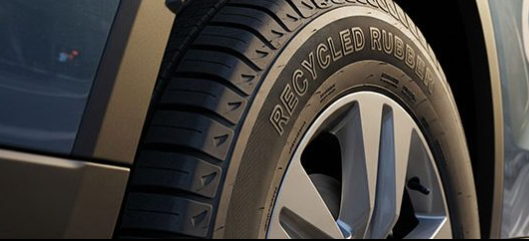
To maintain compliance while managing expenses, many successful fleets utilize premium retreaded tires. When sourced from a reputable provider, these tires offer the exact same safety profiles and tread depths as brand-new tires, easily passing stringent KIR standards while significantly lowering the cost per mile.
3. Lighting and Electrical System Failures
It is surprisingly common for a heavy-duty truck with a perfectly tuned engine and flawless brakes to fail an inspection simply because of a burnt-out bulb. Lighting and electrical systems are vital for visibility and communication on the road, especially during night-time operations or adverse weather conditions.
Examiners will rigorously test:
- Headlights and High Beams: They must project light at the correct angle. Misaligned headlights that blind oncoming traffic will result in a failure.
- Turn Signals and Hazard Lights: These must flash at a consistent rate and be visible from all required angles.
- Brake Lights and Reverse Lights: Absolute necessities for conveying the driver’s intentions to vehicles behind them.
- Reflectors and License Plate Lights: Often overlooked during routine maintenance, missing reflectors or a dark license plate will prevent you from getting a passing certificate.
4. Steering and Suspension Issues
A driver must have absolute control over their vehicle. The steering and suspension systems absorb the punishing impact of rough roads while keeping the vehicle stable under heavy loads. Wear and tear on these components is inevitable, but excessive play is a major cause for inspection failure.
Inspectors look out for:
- Excessive Steering Play: If the steering wheel can be turned significantly before the tires begin to move, the vehicle is deemed unsafe to drive.
- Worn Tie Rods and Ball Joints: These components keep the wheels pointing in the right direction. When they wear out, the vehicle can wander unpredictably across lanes.
- Damaged Leaf Springs and Shock Absorbers: Broken leaf springs or leaking shock absorbers drastically reduce the vehicle’s load-carrying capacity and stability, leading to an automatic fail.
5. Emission Control and Exhaust Problems
Environmental standards for commercial vehicles are becoming increasingly stringent worldwide. The KIR test includes a thorough examination of the exhaust system to ensure the vehicle is not releasing excessive pollutants into the atmosphere.
Common environmental failures include:
- High Smoke Opacity: Diesel engines are particularly prone to this. If the vehicle belches thick, black smoke during the acceleration test, it signifies poor combustion, dirty fuel injectors, or a clogged air filter.
- Exhaust Leaks: Any cracks or holes in the exhaust pipe, muffler, or manifold not only increase noise pollution but can also allow dangerous carbon monoxide gases to enter the driver’s cabin.
- Missing or Bypassed Emissions Equipment: Removing components like catalytic converters or diesel particulate filters (DPFs) to boost engine power is illegal and will result in an immediate failure.
Best Practices for Pre-KIR Test Preparation
Understanding why vehicles fail is only half the battle; implementing a system to prevent these failures is where true fleet management excellence shines. Industry research, including studies by transportation authorities, consistently shows that fleets with structured preventive maintenance (PM) programs experience up to a 50% reduction in compliance violations.
Here are actionable steps to prepare your fleet:
- Implement Daily Driver Walkarounds: Drivers are the first line of defense. Mandate a daily pre-trip inspection where drivers check lights, tire pressure, and listen for obvious air leaks.
- Conduct Mock Inspections: A week before the scheduled KIR test, have your in-house mechanics perform a mock inspection using the exact checklist utilized by the authorities.
- Invest in Quality Parts: Cutting corners on critical components like brake pads or utilizing subpar tires will cost you more in re-testing fees and downtime.
- Maintain Pristine Records: Keep detailed service histories for every vehicle. Well-documented maintenance proves to inspectors that your company takes safety seriously.
Conclusion
Passing the commercial vehicle KIR test should never be left to chance. It requires a diligent, proactive approach to fleet maintenance, prioritizing the critical components that ensure safety and environmental compliance. By paying close attention to braking systems, utilizing high-quality tires, maintaining electrical components, ensuring suspension stability, and strictly controlling emissions, fleet managers can virtually eliminate the risk of a failed inspection. Ultimately, a well-maintained fleet is a profitable fleet, capable of delivering goods reliably while keeping roads safe for everyone.
If you are looking for reliable solutions to keep your fleet safe, compliant, and operating at peak efficiency, do not hesitate to contact Rubberman. We provide top-tier products and industry expertise to ensure your commercial vehicles are always road-ready and prepared to pass any inspection with ease.